Memes Are a Visual Language
The joke is only the surface. Under it is grammar, fluency, and a feed learning who can read what.
A friend was showing me memes, and she was genuinely baffled that I did not understand what they meant.
Not amused. Not surprised in the ordinary way. Baffled.
To her, the meaning was immediate. She could show the same meme to another friend and they would both understand it instantly, with no explanation. The image, the caption, the format, the reference, the emotional posture: all of it arrived at once. Meanwhile I was sitting there like someone hearing a sentence in a language I technically recognized but could not actually speak.
That was the moment I realized she was not just getting memes. She was reading them.
Memes are a visual language. They are not just jokes with pictures attached. They are a form of speech. A meme carries grammar, tone, citation, implication, social position, and timing. The format tells you how to read it. The image tells you what emotional register you are in. The caption mutates the reference. The shared context supplies the rest.
My friend was, to use new slang, HighKirkenunienly fluent. She was operating at a level where the meme did not need translation. It was not content to her. It was conversation.
The sentence inside the picture
That is the part people miss when they dismiss memes as shallow internet debris. A meme is compressed cultural information. It can say this is absurd, this is me, this is what everyone is pretending not to notice, or this situation belongs to that recognizable pattern faster than a paragraph can.
The power is not only in the image. It is in the shared library of associations around the image.
Every meme format works like a sentence frame. The template is the syntax. The reference is the vocabulary. The caption is the verb tense. The person sending it is choosing not only a joke, but a position in relation to the joke: sincere, ironic, exhausted, affectionate, cruel, self-aware, pretending not to be self-aware.
A fluent reader does not decode the meme piece by piece. They receive the whole thing as a social gesture.
That is why explaining a meme often kills it. Explanation pulls the living gesture apart into labeled bones. The meme worked because the reader already knew how the parts moved together.
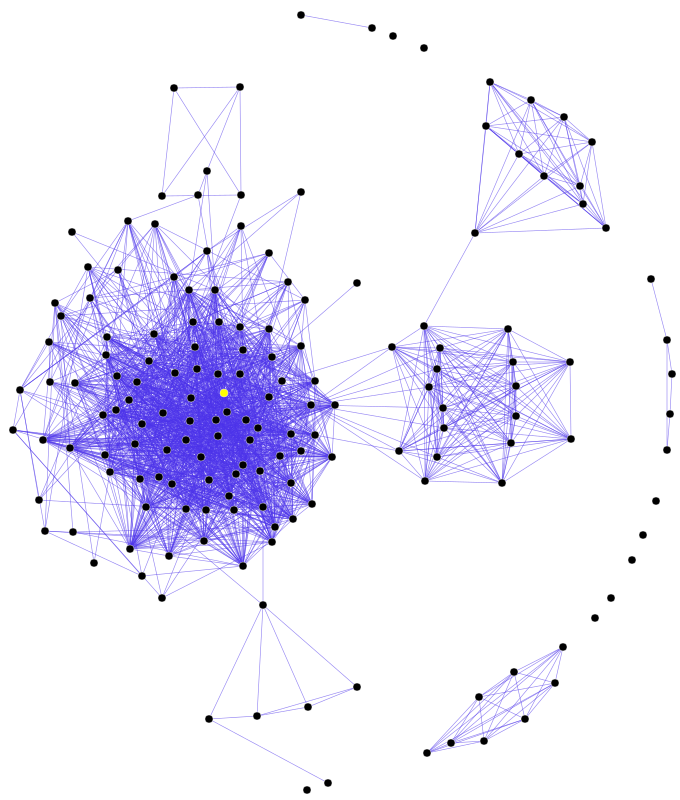
The algorithm is part of the grammar
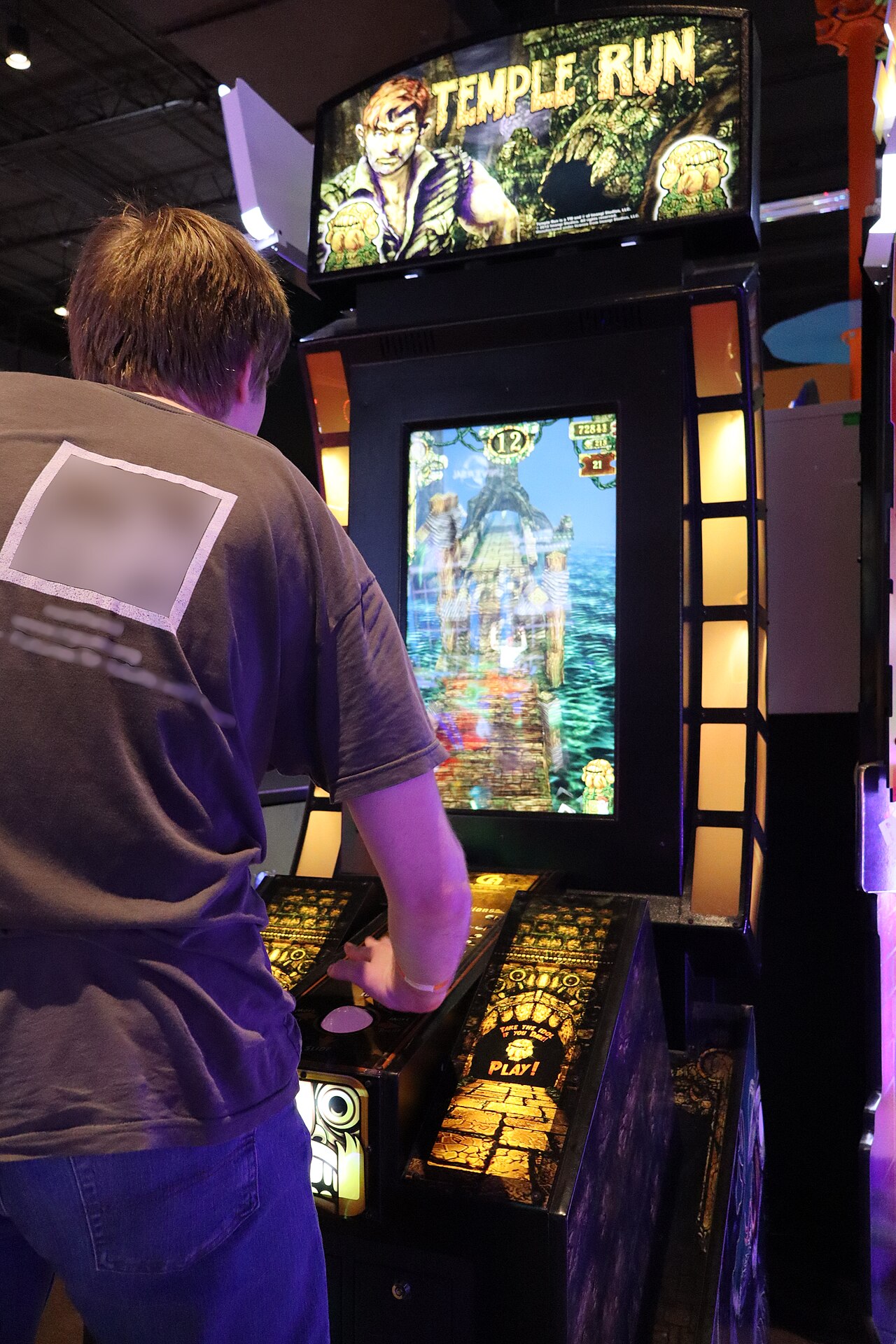
There was another moment that made this clearer. She saw a video with Temple Run footage in the top-left corner and did not understand why it was there.
I explained that it was not random. She used to watch Temple Run videos with AI voiceovers. Enough other people did too. So creators learned that putting Temple Run footage on screen can help the algorithm connect their video to that audience.
In other words, the Temple Run clip was not part of the story. It was metadata wearing a costume.
That detail matters because meme literacy is no longer just about understanding the joke. It is about understanding the delivery system. The image is speaking to the viewer, but it is also speaking to the algorithm. It is saying: classify me with these videos, send me to these users, attach me to this behavioral cluster.
So the modern meme has at least two audiences. One is human. The other is machinic. The human reads the joke. The platform reads the signals.
A creator who understands both is not simply making content. They are writing in a hybrid language where the grammar includes screenshots, references, irony, pacing, visual clutter, background footage, retention curves, and recommendation systems.
Fluency
That is why being online is not just about spending time on the internet. It is about becoming fluent in a fast-changing visual speech form.
Some people can look at a meme and immediately understand the social context, the joke structure, the implied audience, and the algorithmic trick being used to move it around. Other people see the same image and need it explained word by word.
And once you see memes this way, they stop looking like nonsense. They start looking like language evolving in public.
Images: DarwinPeacock and Maklaan / CC BY 3.0; FreeMediaKid! / CC BY-SA 4.0. The top visualization is rendered locally in your browser and does not upload data.
.svg)
